 fr
 es
 en
Great natural sites
The Canigó, the Bouillouses lakes, the Orgues of Ille-sur-Têt, the marine reserve, gorges: the great natural sites of Catalan country, with key figures, wildlife and plants, and everything you need to know to discover them.
Peaks, gorges and landscapes
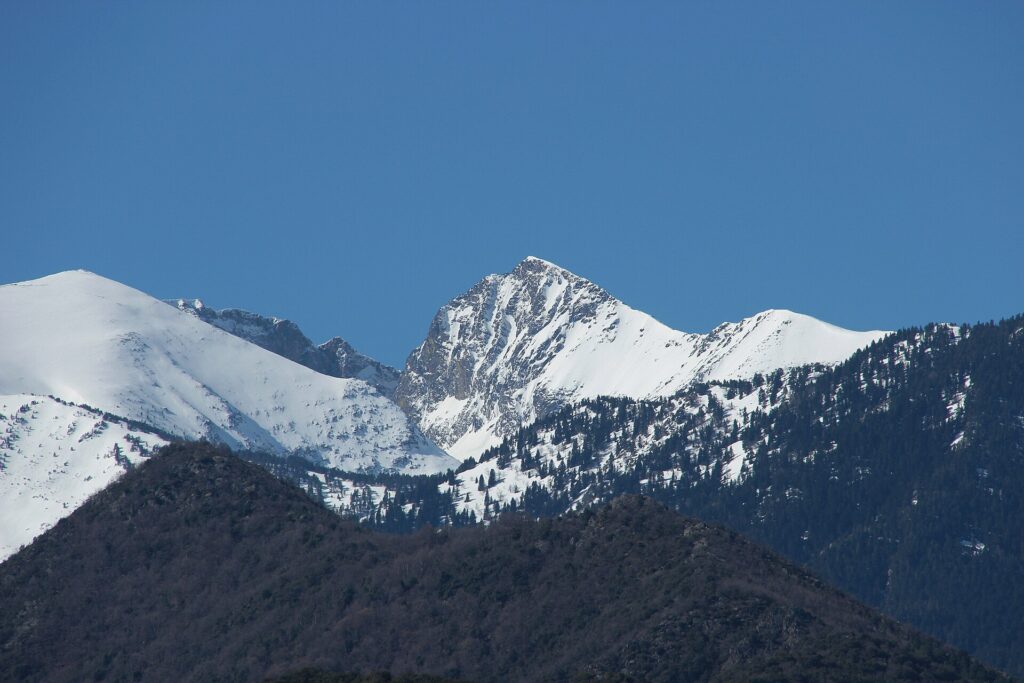 2,784 m
Canigó Massif
Prades · Canigó
An emblematic mountain for the Catalans, the Canigó rises 2,784 metres above the Roussillon plain: a protected massif, awarded the Grand Site de France label, where walkers climb to the summit cross and the Saint-Jean flame.
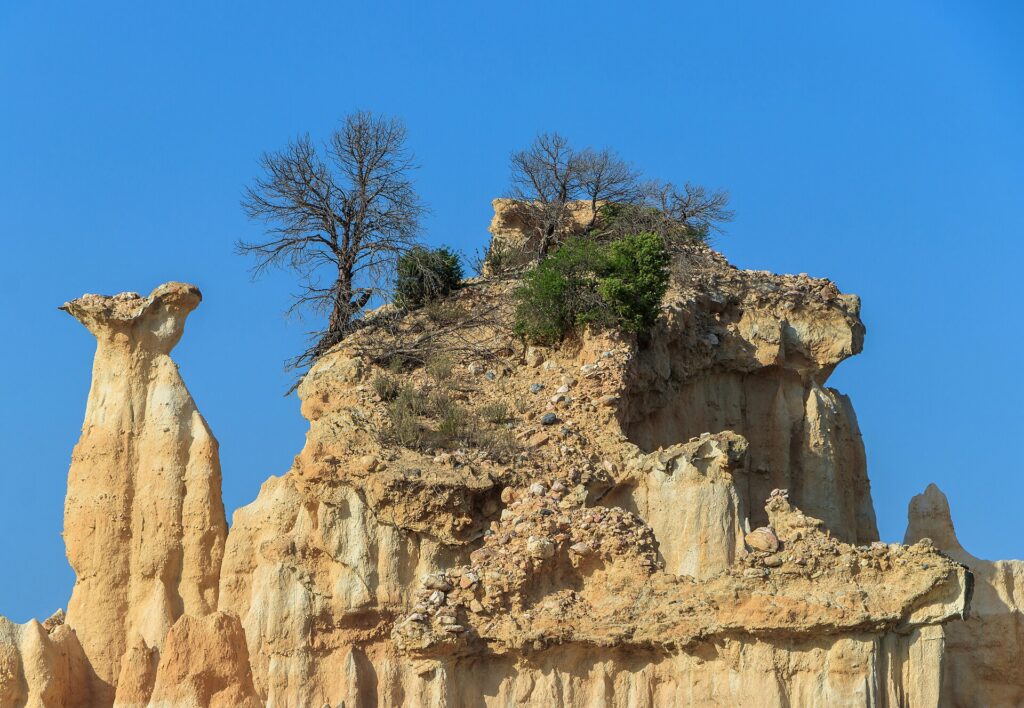 About 5 million years
Orgues d’Ille-sur-Têt
Ille-sur-Têt · Les Orgues d’Illa
Sculpted by erosion from sands and clays some 5 million years old, the fairy chimneys of the Orgues raise their columns opposite the Canigó, half an hour from Perpignan.
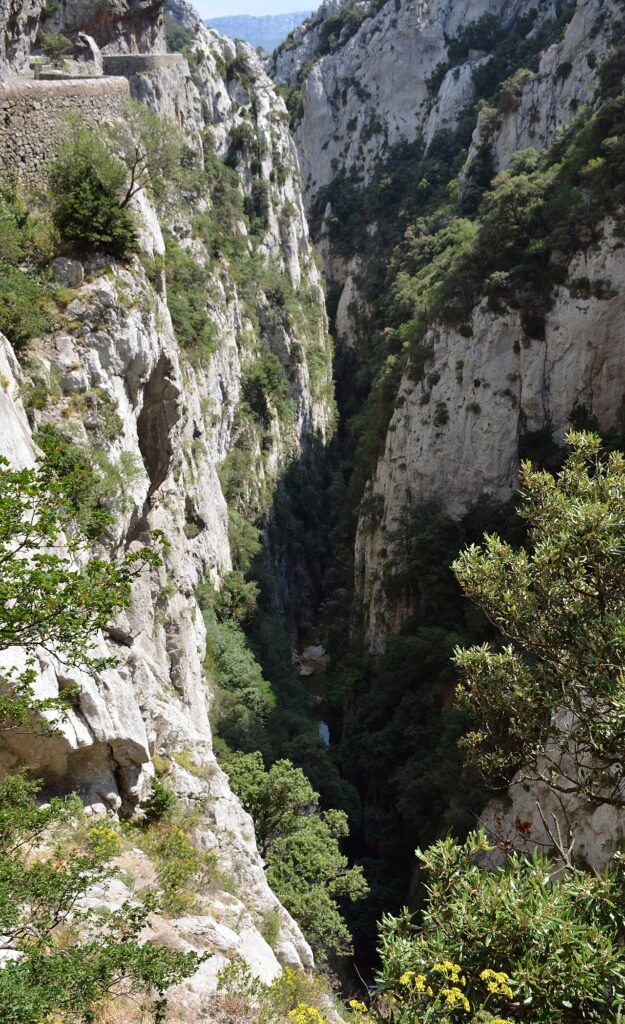 Gorges de l’Agly
Gorges de Galamus
Saint-Paul-de-Fenouillet · Gorges de Galamús
Between Fenouillèdes and Corbières, the Agly has carved a narrow passage through the limestone: a dizzying road cut in the late 19th century, pools of clear water and, clinging to the cliff, the Saint-Antoine hermitage.
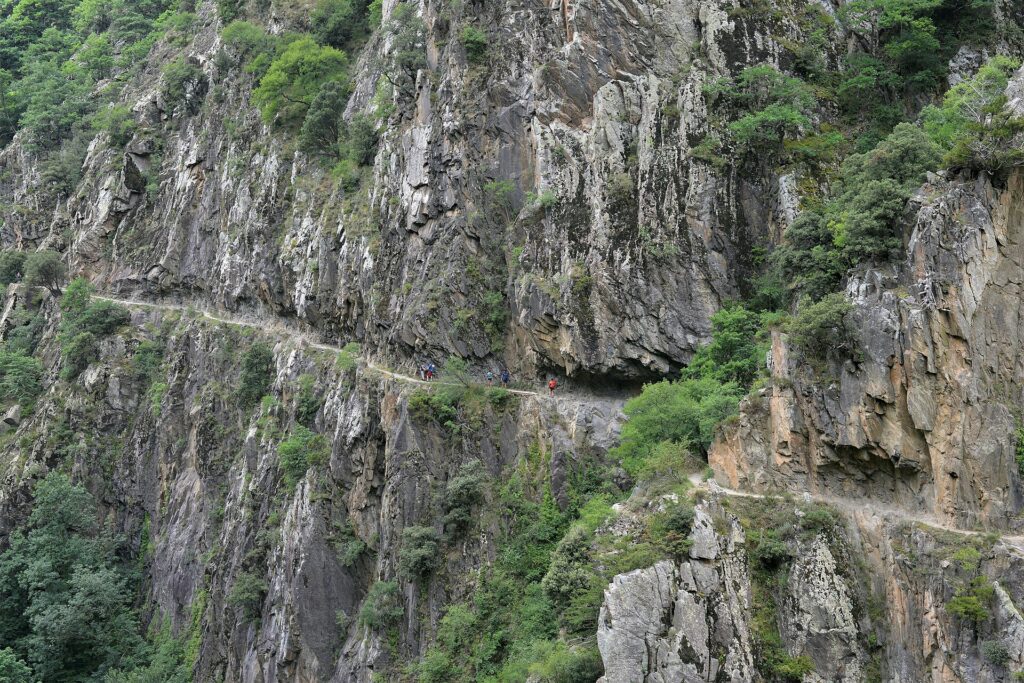 Loop of about 8 km
Gorges de la Carança
Thuès-Entre-Valls · Gorges de Carançà
From Thuès station, on the Train jaune line, a path cut into the cliff leads into the Gorges de la Carança: a dizzying ledge, footbridges and suspension bridges above the torrent.
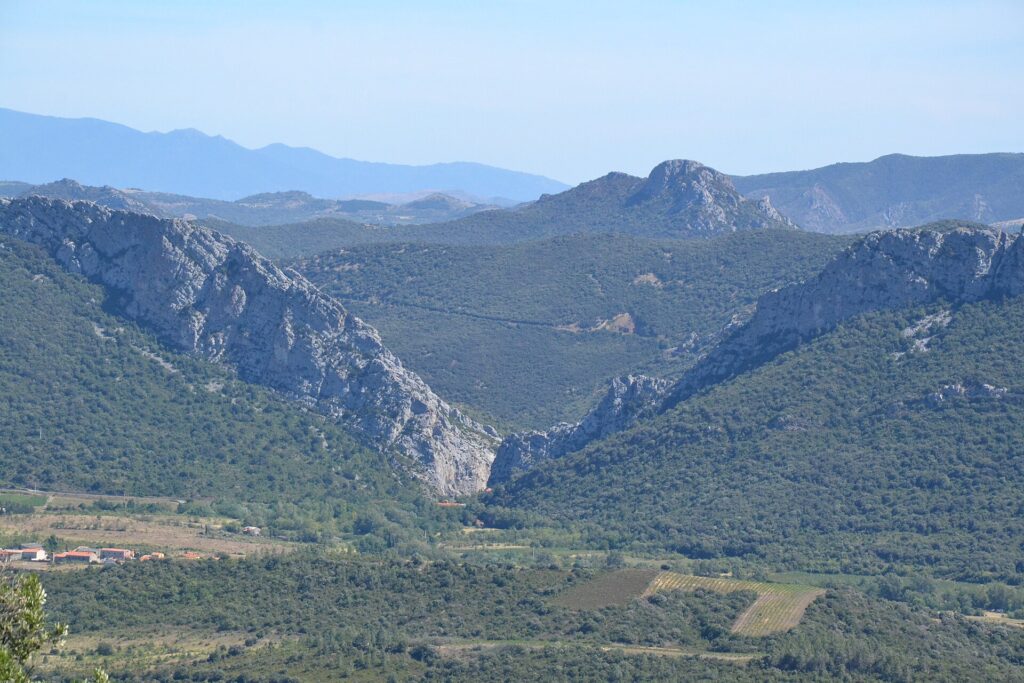 Gorge of the Agly
Clue de la Fou
Saint-Paul-de-Fenouillet
Just south of Saint-Paul-de-Fenouillet, the Agly cuts through a limestone barrier by way of a narrow gorge: an old bridge, giants' kettles, lukewarm springs and a free via ferrata, a few kilometres from the Galamus gorges.
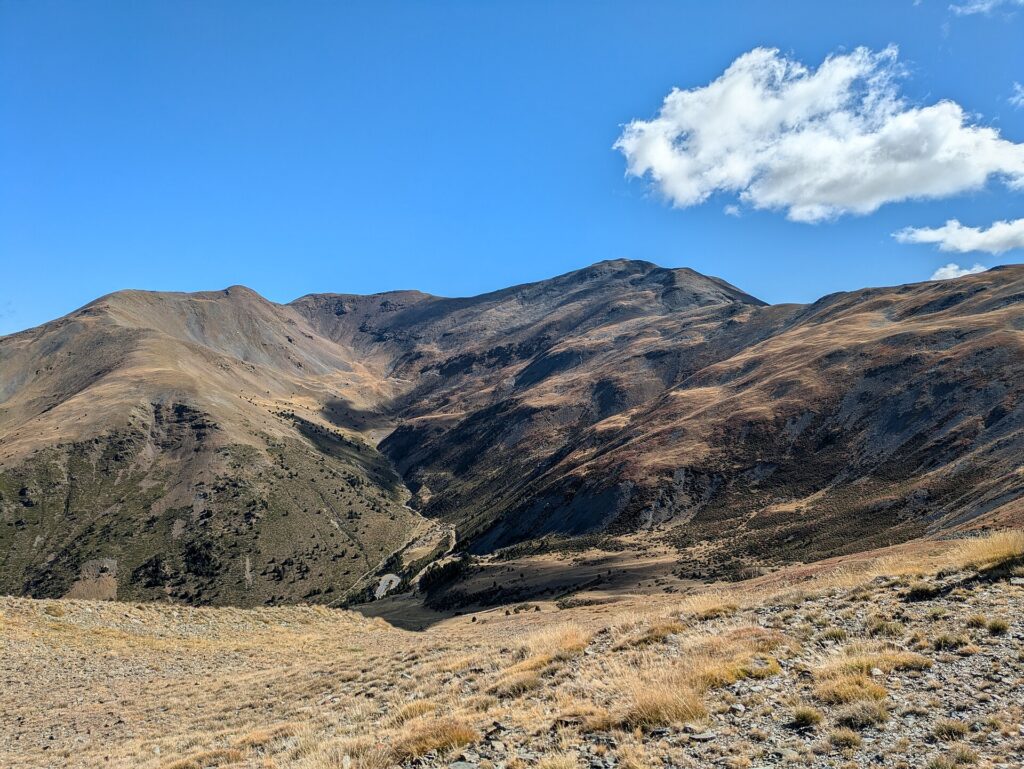 2,910 m
Puigmal
Err · Puigmal
A border summit between the Cerdagne and the Núria valley, the Puigmal rises to 2,910 metres: a great mountain with gentle slopes, easily reached from Err, at whose foot lies the highest ski resort in the French Pyrenees.
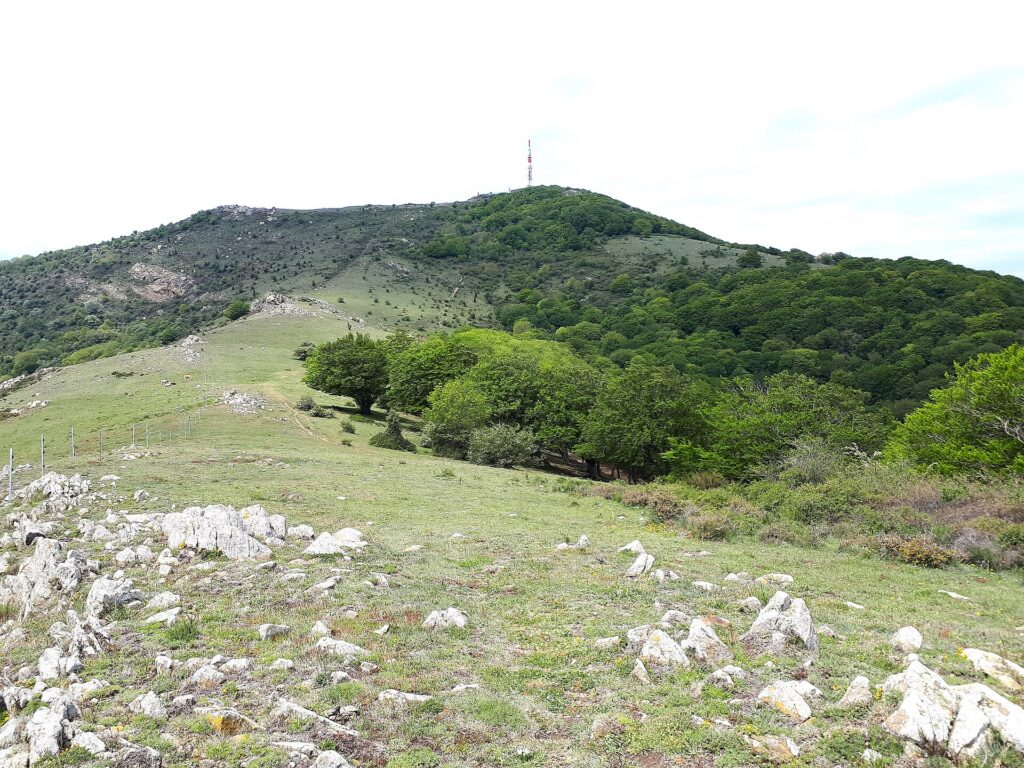 1,256 m
Pic Neulós
Laroque-des-Albères · Puig Neulós
The highest point of the Albères, on the border, the Neulós rises to 1,256 metres above the Roussillon plain, the Mediterranean and the Empordà: beech forests, Corsican pines, snow wells and a panorama stretching as far as the Canigó.
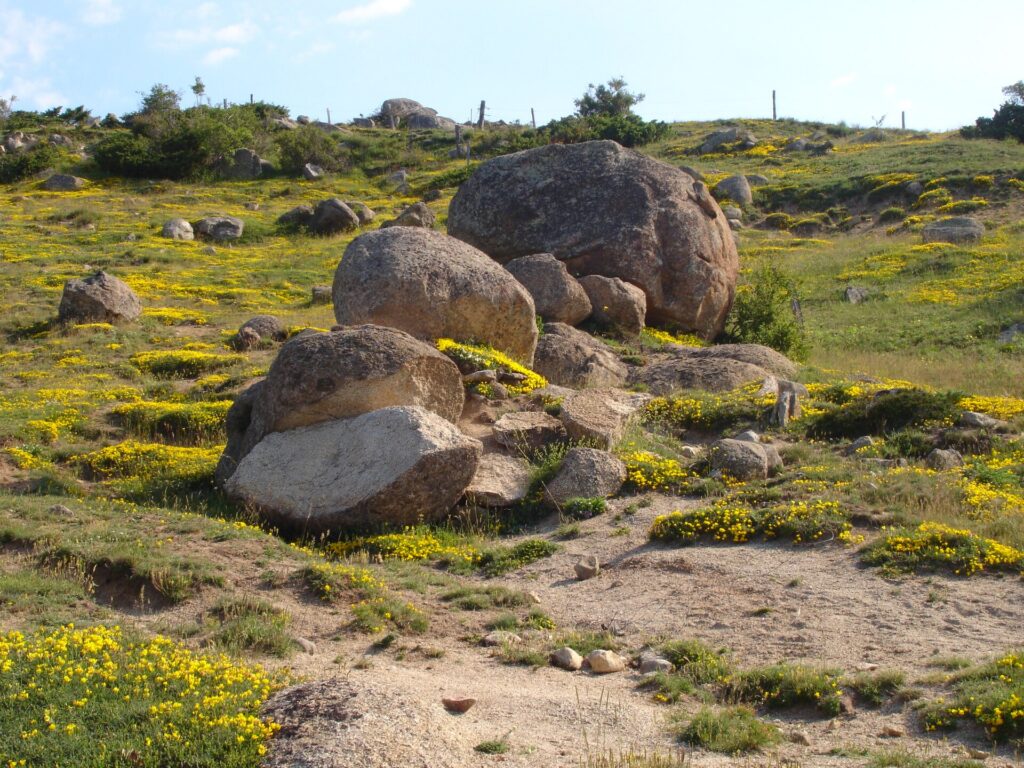 Around 1,500 m
Chaos de Targasonne
Targasonne · Caos de Targasona
In Cerdagne, at the foot of the Thémis solar tower, more than a thousand granite boulders are piled up on a sunny hillside: an astonishing landscape, and one of the great bouldering sites in France.
Lakes, lagoons and rivers
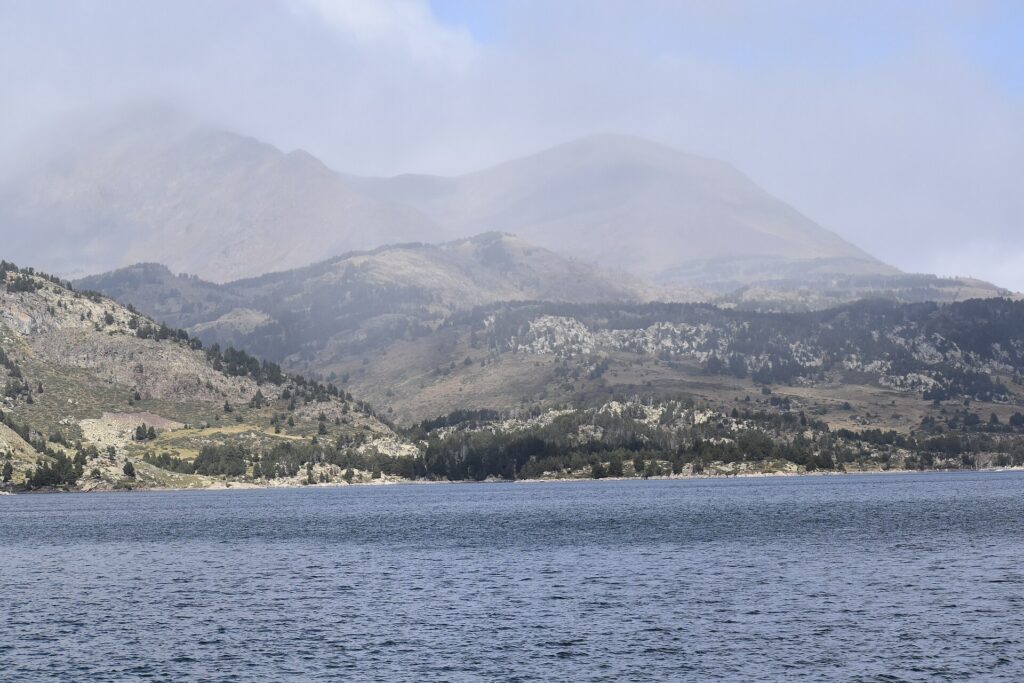 2,016 m
Lacs des Bouillouses
Font-Romeu-Odeillo-Via · Estany de la Bollosa
At 2,016 metres, at the foot of the Carlit, the Lac des Bouillouses and the surrounding lakes form one of the great high-mountain landscapes of the Catalan Pyrenees: a protected site, accessible by shuttle in summer.
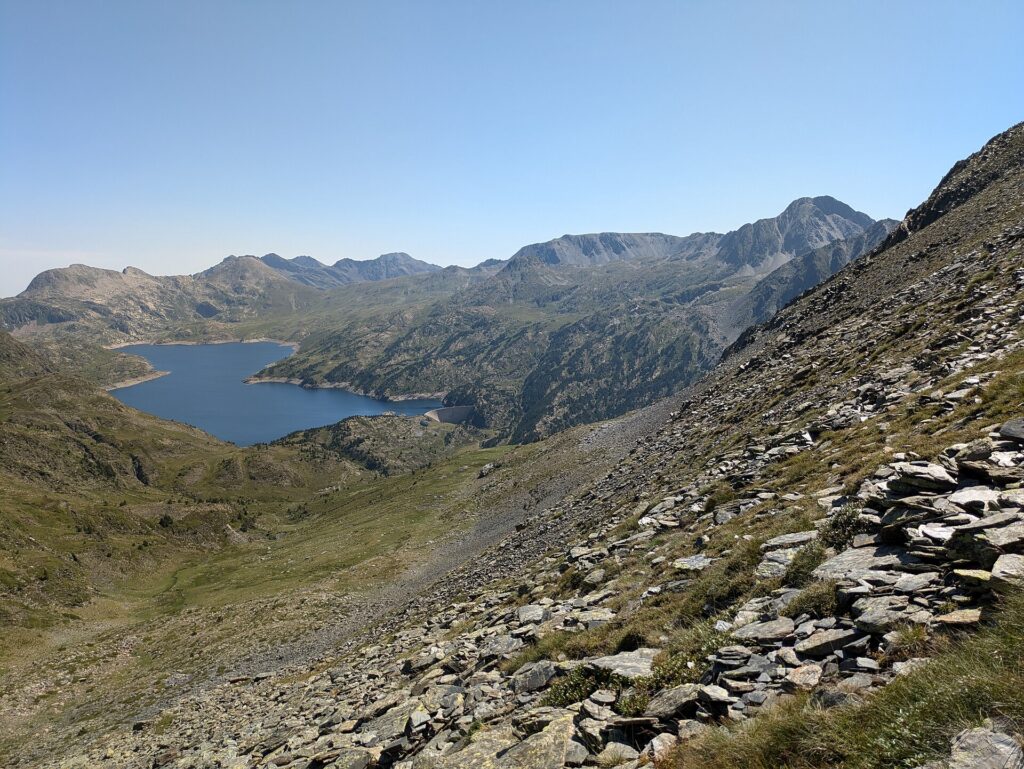 2,213 m
Lac du Lanoux
Porté-Puymorens · Estany de Lanós
At 2,213 metres, in a granite cirque dominated by the Carlit, the Lanoux is the largest lake in the French Pyrenees. Its waters, diverted towards the Ariège, gave rise to a famous international arbitration between France and Spain.
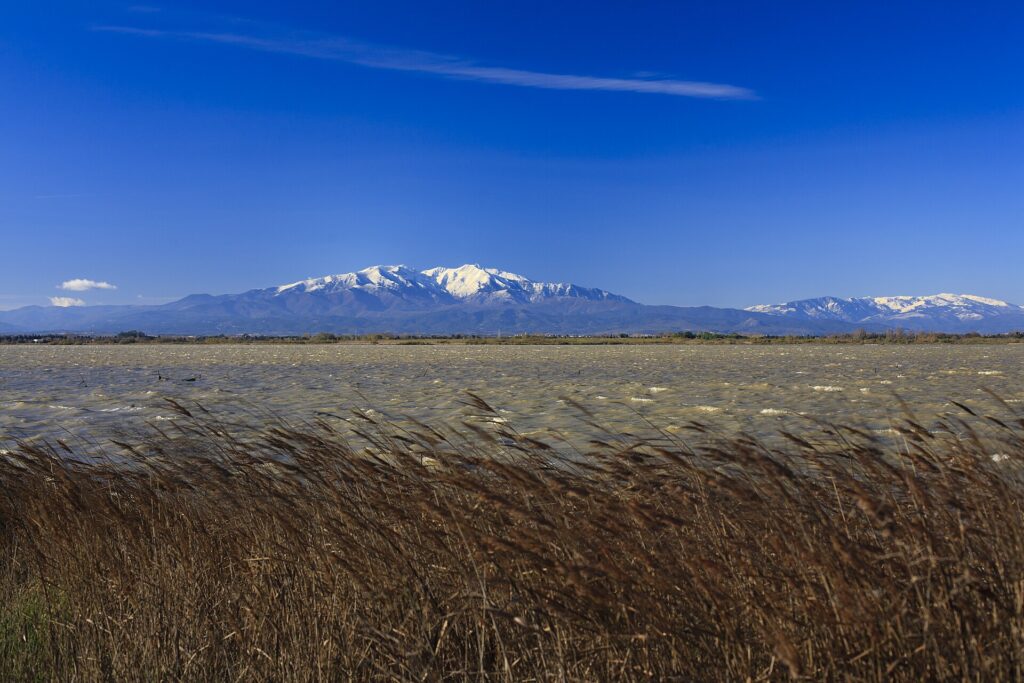 Coastal lagoon
Étang de Canet-Saint-Nazaire
Canet-en-Roussillon · Estany de Sant Nazari
Between Canet-en-Roussillon and Saint-Cyprien, a shallow lagoon with its reedbeds, its flamingos and its village of reed-thatched fishermen's huts, with the Canigó as a backdrop.
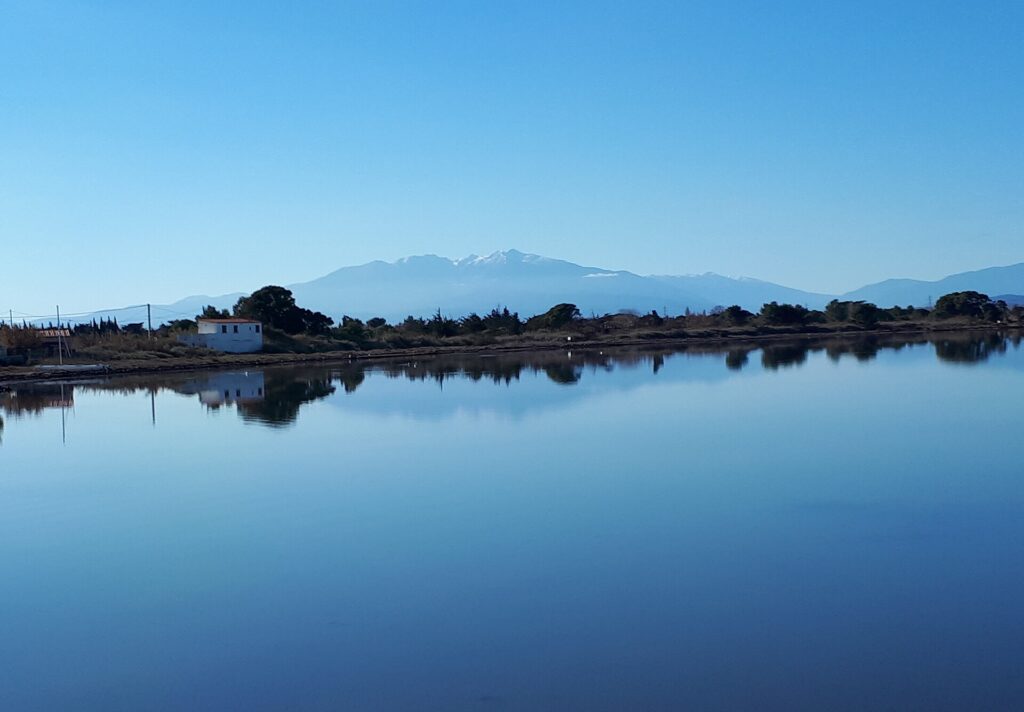 About 5,400 ha
Étang de Salses-Leucate
Le Barcarès · Estany de Salses
The second-largest lagoon in Occitanie, the étang de Salses-Leucate stretches for 14 kilometres between Roussillon and the Corbières: seagrass meadows, migratory birds, Leucate oysters, karst springs and the tramontane wind, with the Canigó on the horizon.
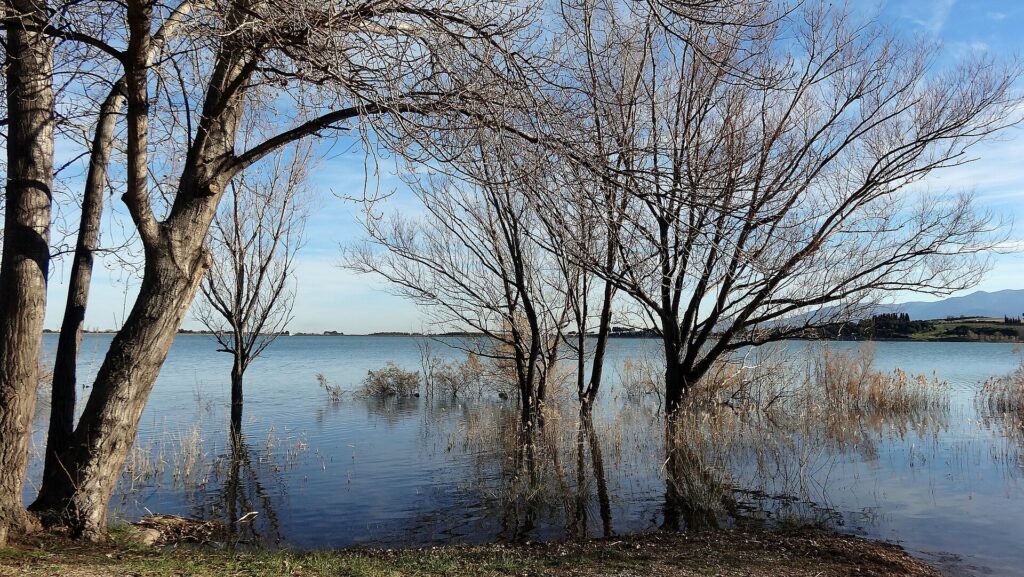 Around 150 to 200 ha
Lac de la Raho
Villeneuve-de-la-Raho · Estany de Vilanova de Raò
A few kilometres from Perpignan, the lac de Villeneuve-de-la-Raho is a water reservoir that has become a place for walking and swimming, with a small bird reserve and the Canigó as a backdrop.
Reserves and protected sites
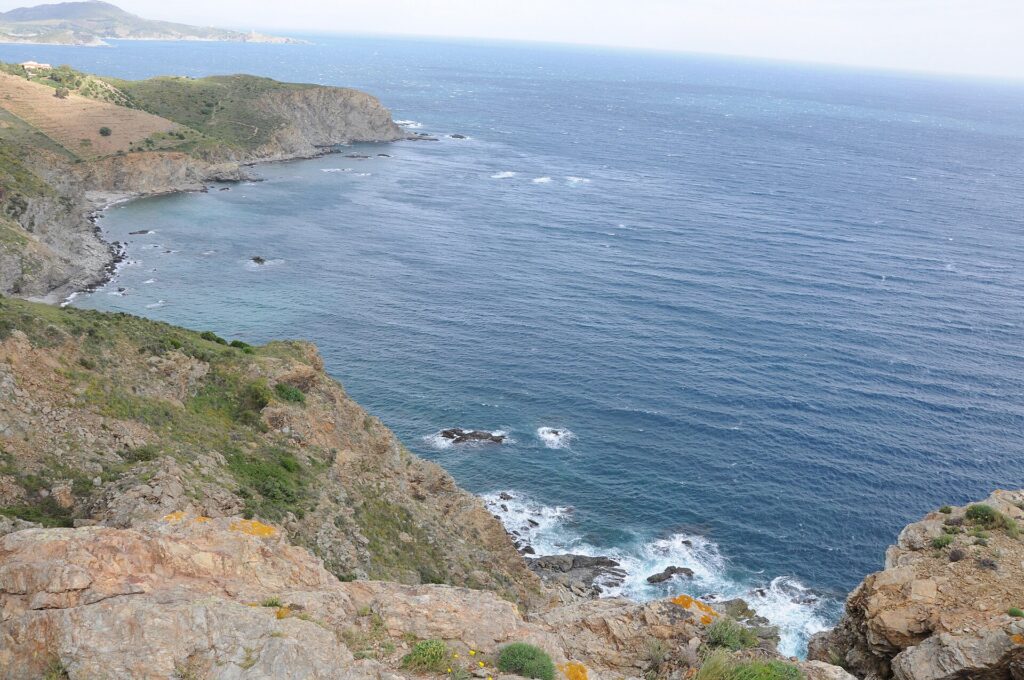 650 ha of sea
Cerbère-Banyuls Marine Nature Reserve
Banyuls-sur-Mer · Reserva Natural Marina de Cervera-Banyuls
France's first exclusively marine reserve, created in 1974 between Banyuls and Cerbère, protects 650 hectares of seagrass meadows, coralligenous reefs and drop-offs where groupers have returned by the hundred. Its underwater trail can be explored free of charge in summer.
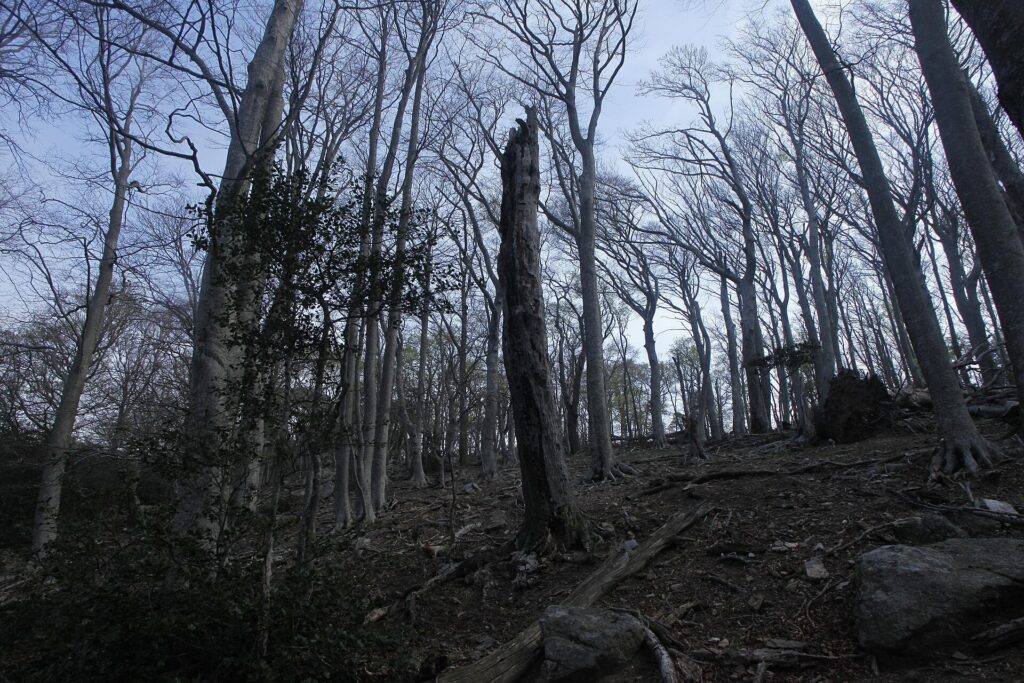 336 ha · 600 to 1,158 m
Forêt de la Massane
Argelès-sur-Mer · Bosc de la Maçana
In the Albères, above Argelès, a beech forest left to evolve freely for more than a century: the Massane nature reserve, one of the best-studied forests in Europe, listed as a UNESCO World Heritage Site.
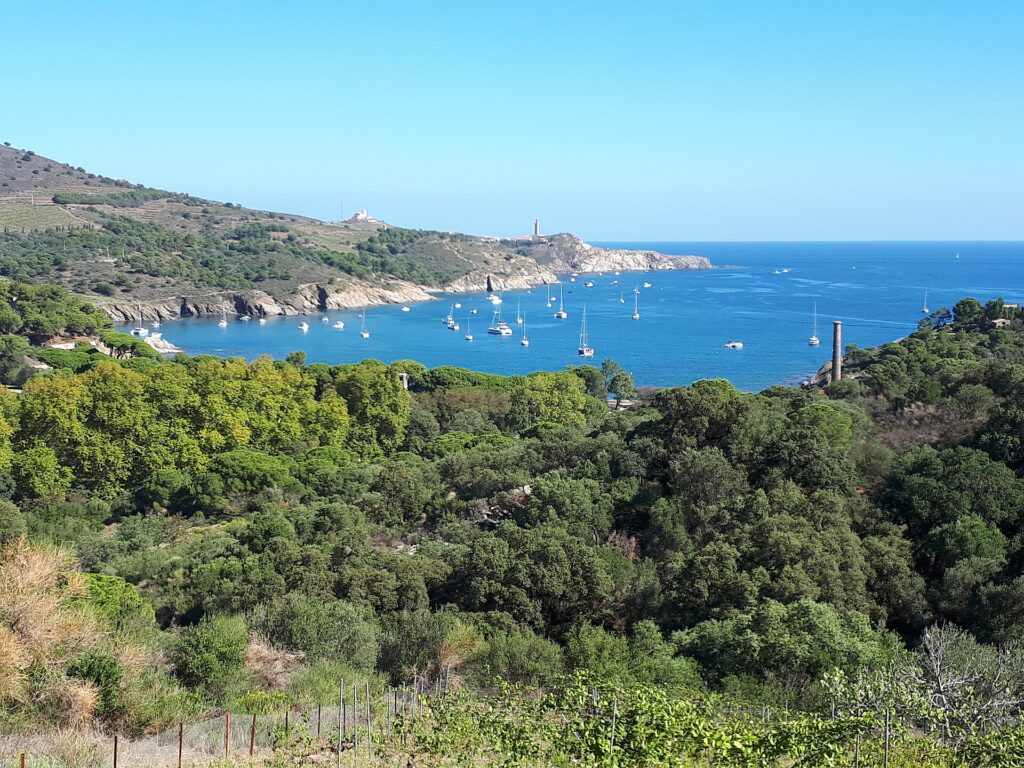 32 ha
Anse de Paulilles
Port-Vendres · Polilles
Between Port-Vendres and Banyuls, a bay of clear waters, beaches, gardens and the memory of a former dynamite factory: the anse de Paulilles, bought by the Conservatoire du littoral, is open to the public free of charge.
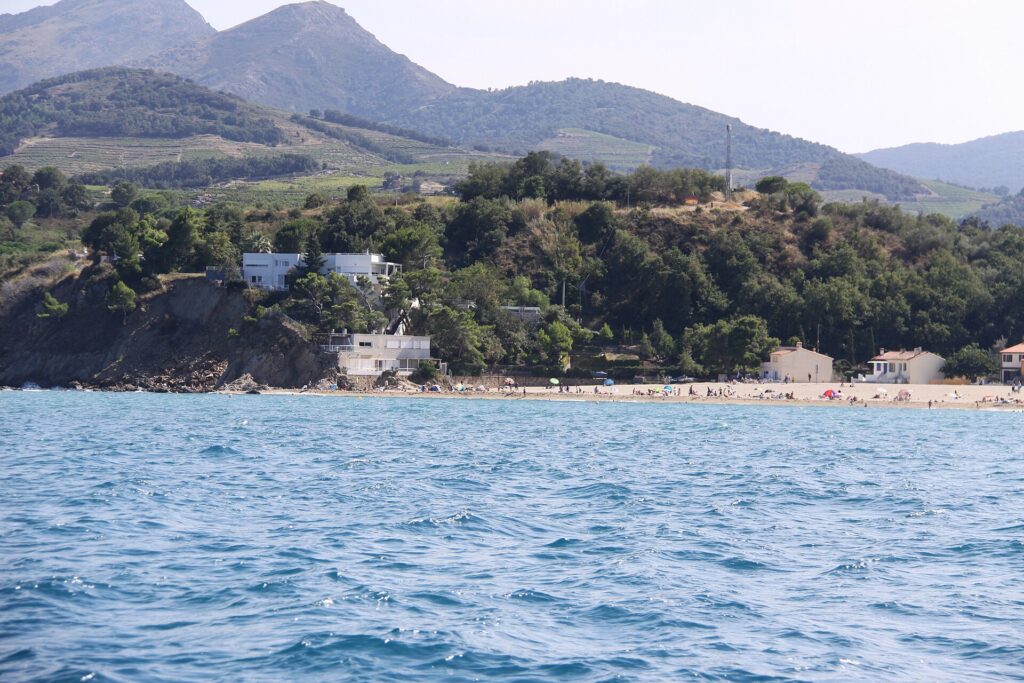 The beginning of the Côte Vermeille
Le Racou
Argelès-sur-Mer · El Racó
South of Argelès-sur-Mer, the sandy beach comes to an abrupt end at the foot of the first cliffs: at Le Racou, the Pyrenees plunge into the Mediterranean and the Côte Vermeille begins, with its hamlet of cabins, its coves and its coastal path.
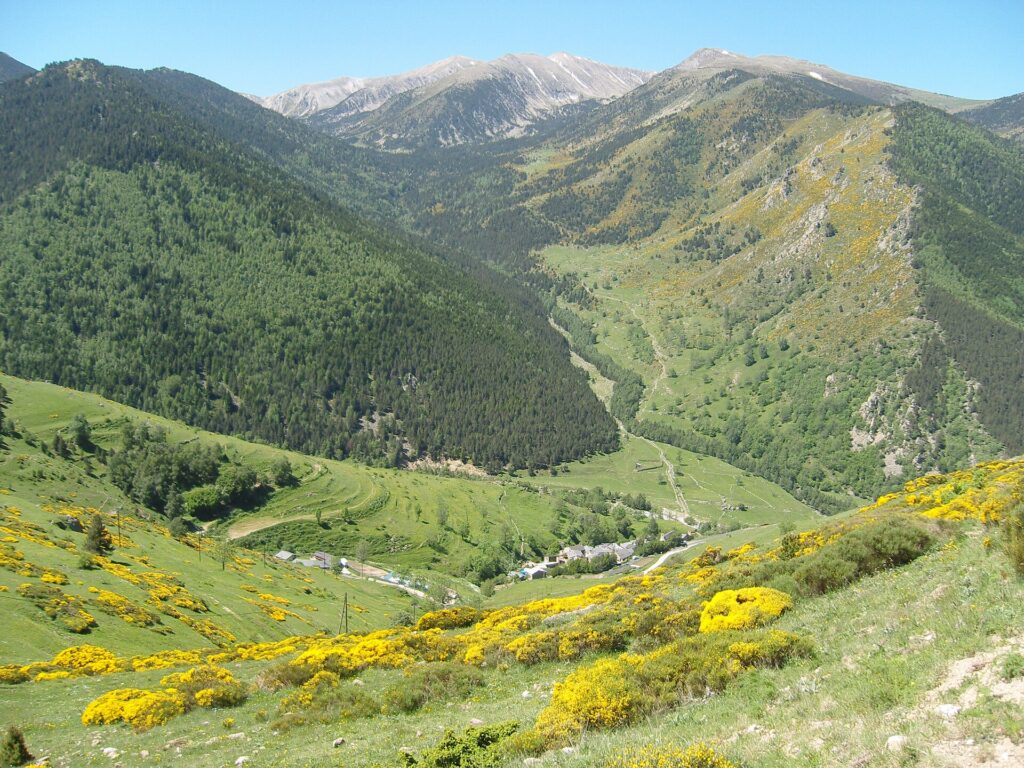 950 to 2,700 m
Nature Reserves of Py and Mantet
Py · Reserves naturals de Pi i de Mentet
South of Canigó, two neighbouring nature reserves protect nearly 7,000 hectares of mountain, from 950 to 2,700 metres: forests, summer pastures, izard and bearded vultures, around Mantet, long nicknamed the "last village in France".
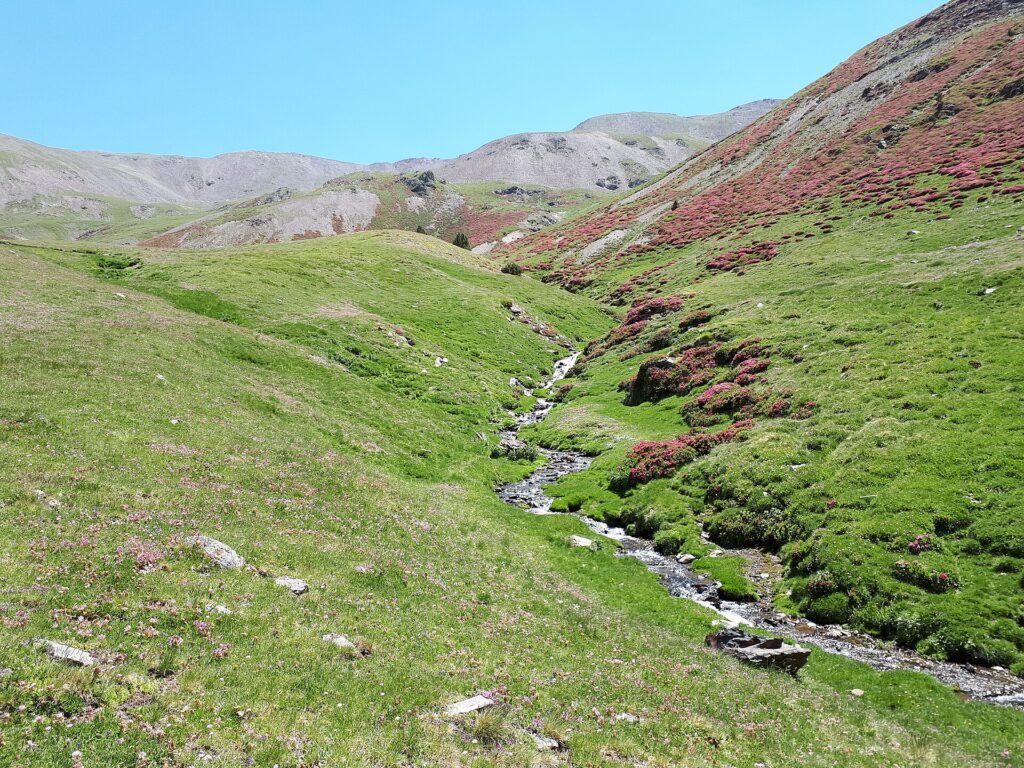 1,700 to 2,800 m
Eyne Valley Nature Reserve
Eyne · Vall d’Eina
Nicknamed the “valley of flowers”, the Eyne valley has drawn botanists since the 18th century: a high-mountain nature reserve, from 1,700 to 2,800 metres, where more than 800 species of plants flower.